

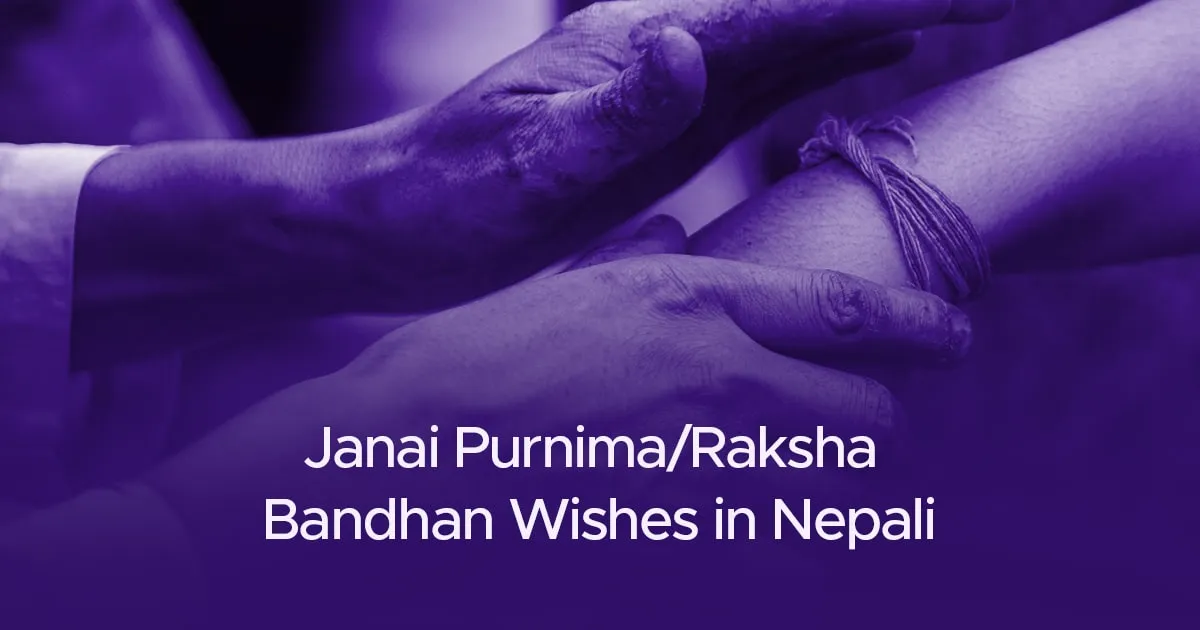
Raksha Bandhan, also known as Rakhi, is one of the most cherished and significant festivals in Hindu culture. It symbolizes the deep bond of love and protection between brothers and sisters.
Celebrated with great enthusiasm across Nepal and in various parts of the world where Nepalese culture thrives, Raksha Bandhan is not just a ritual but a celebration of the profound relationship that siblings share. This festival transcends biological relationships, embracing a broader concept of protection, love, and duty among people.
Also Check Out: Diwali wishes in Kathmandu, Nepal
Also Read: Dashain Wishes
The History of Raksha Bandhan
Raksha Bandhan, known as Janai Purnima in Nepal, has deep-rooted historical and cultural significance. The festival originates in ancient Hindu traditions, where the sacred thread (Janai) worn by men, particularly Brahmins and Kshatriyas, symbolizes their commitment to spiritual and moral responsibilities.
The ritual of changing this thread during Janai Purnima renews these vows. The celebration of Raksha Bandhan as a bond of protection between siblings also has mythological origins, such as the story of Draupadi tying a strip of her sari to Krishna’s wrist, symbolizing her trust in him to protect her.
In Nepal, the festival evolved to include the tying of a sacred thread called “Doro” by priests around devotees’ wrists, offering them protection. Over time, Raksha Bandhan came to symbolize not just spiritual renewal but also the protection and love shared between brothers and sisters, blending religious rituals with familial bonds.
Also Checkout:- Teej Festival Wishes in Nepal
Raksha Bandhan Wishes
Raksha Bandhan wishes in Nepali
"मेरो प्रिय दिदी/बहिनीलाई जनै पूर्णिमाको धेरै धेरै शुभकामना! तिम्रो माया, साथ र आशीर्वादले सधैं मेरो जीवन उज्यालो बनाओस्।"
“प्रिय दाजु/भाइ, जनै पूर्णिमाको अवसरमा तिमीलाई सधैं खुशी, समृद्धि, र सफलता मिलोस् भन्ने मेरो शुभेच्छा! हाम्रो सम्बन्ध अझ प्रगाढ बनोस्।”
“जनै पूर्णिमा तिमीलाई सधैं माया र विश्वासको धागोले बाँधिरहोस्। हाम्रो सम्बन्धले सधैंको लागि प्रेम र सम्मान कायम राखोस्! शुभ जनै पूर्णिमा!”
“जनै पूर्णिमाको यस पवित्र दिनमा तपाईको आत्मा शुद्धता र सद्गुणको प्रकाशले चम्किरहोस्। शुभकामना!”
“यो जनै पूर्णिमाले हाम्रो सम्बन्धलाई अझ बलियो र माया भरिएको बनाओस्। तिमीप्रति मेरो माया र सम्मान सधैं रहिरहोस्। शुभ जनै पूर्णिमा!”
“तपाईंको जीवनमा सधैं खुसी र शान्ति रहोस्। शुभ रक्षाबन्धनको शुभकामना!”
“जनै पूर्णिमाको यो पवित्र अवसरमा तिम्रो जीवनमा सदैव सुख, शान्ति, र प्रगतिको यात्रा जारी रहोस्। हाम्रो सम्बन्धलाई सधैं माया र समझदारीले बलियो बनाओस्!”
“रक्षाबन्धनको यो विशेष अवसरमा, तपाईंलाई शान्ति र समृद्धिको हार्दिक शुभकामना।”
“मेरो प्यारा दाजु/भाइ/दिदी/बहिनीलाई जनै पूर्णिमाको विशेष शुभकामना! हाम्रो सम्बन्ध सधैं यसै गरी अटूट रहिरहोस्, सधैं माया र सम्मानको बन्धनमा बाँधिरहोस्।”
“रक्षाबन्धनको यो प्यारा अवसरमा, हाम्रो प्रेम र भाईचारा सधैं गहिरो रहोस्।”
“जनै पूर्णिमाको यस पवित्र पर्वमा हाम्रो सम्बन्धलाई सधैं विश्वास र समझदारीले भरिपूर्ण बनाओस्। तिमीलाई धेरै माया र स्नेह!”
“प्रिय दाजु/भाइ, जनै पूर्णिमाको शुभ अवसरमा तिमीलाई सधैं खुशी, स्वास्थ्य र सफलता मिलोस्। हाम्रो सम्बन्ध सधैंको लागि बलियो रहोस्।”
“जनै पूर्णिमाको पावन अवसरमा तपाई र तपाईको परिवारको जीवन सधैं खुसी, समृद्धि, र आरोग्यले भरियोस्।”
“जनै पूर्णिमाको शुभकामना! तपाईंको जीवनमा सधैं धर्म र संस्कारको उज्यालो रहिरहोस् “
“तपाईंको नयाँ जनैले तपाईंको जीवनमा शुद्धता, शक्ति, र सदाचारको बोध गराओस्। जनै पूर्णिमाको मंगलमय शुभकामना!”
“जनै पूर्णिमाको अवसरमा तपाईको जीवनमा सधैं सत्य, धर्म, र मङ्गलको मार्गमा अडिग रहन सक्ने शक्ति मिलोस्।”
“जनै पूर्णिमा र रक्षा बन्धनको अवसरमा तपाईंको सम्बन्ध सधैं माया र विश्वासले भरिपूर्ण रहिरहोस्। हार्दिक शुभकामना!”
“रक्षाबन्धनको पावन अवसरमा, हाम्रो बन्धन सधैं सशक्त र प्रिय रहोस्। तपाईलाई ढेर सारी शुभकामना!”
“जनै पूर्णिमाले तपाईको जीवनमा नवीन ऊर्जा, साहस, र आत्मविश्वासको स्रोत बनोस्। तपाईंलाई र तपाईंको परिवारलाई शुभकामना!”
“जनै पूर्णिमाको अवसरमा तपाईको जीवनमा सदैव अनुशासन, संयम, र भक्तिको मार्गमा चल्न प्रेरणा मिलोस् “
“तपाईको जीवनमा धार्मिकता, आध्यात्मिकता, र सादगीको यात्रा सफल रहोस्। जनै पूर्णिमाको हार्दिक शुभकामना!”
“जनै पूर्णिमा र रक्षा बन्धनको यस पावन दिनमा तपाईको जीवन प्रेम, विश्वास, र समर्थनले भरिपूर्ण रहोस्। शुभकामना”
“शुभ रक्षाबन्धन! दाइ-भाइको अनमोल स्नेह र साथले हरेक दिन खुशी र समृद्धि ल्याओस्।”
“रक्षाबन्धनको यो शुभ अवसरमा, हाम्रो स्नेह र भाइचारा यस्तै सधैं अटुट रहोस्। तपाईंलाई मिठा खुशीयाँ र सफलता प्राप्त होस्!”
“रक्षाबन्धनको यो पावन अवसरमा, दाई-भाइको अनमोल प्रेम र समर्पण सधैं अडिग रहोस्।”
“मेरो प्रिय दिदी/बहिनी, यो जनै पूर्णिमामा तिमीलाई सधैं माया, साथ र प्रेरणाको रूपमा महसुस गरिरहोस्। हाम्रो सम्बन्ध सधैं अमर रहोस्। शुभ जनै पूर्णिमा!”
“शुभ रक्षाबन्धन! यो पावन पर्वले तपाईंको जीवनमा खुशी र समृद्धि ल्याओस्।”
“जनै पूर्णिमाको पवित्र अवसरमा तिमीप्रति मेरो गहिरो माया र सम्मान छ। हाम्रो सम्बन्धले सधैं माया, सद्भाव र विश्वास कायम राखोस्! शुभ जनै पूर्णिमा!”
“दाईको माया र भाइको समर्थनले जीवनलाई अझ रमाइलो र सुखमय बनाओस्। शुभ रक्षाबन्धन!”
“रक्षाबन्धनको यो विशेष दिनमा, दाई-भाइको सम्बन्ध सदैव प्रगाढ र प्यारो रहोस्।”
Janai Purnima Wishes in English
“Wishing you a blessed Janai Purnima! May the sacred thread bring you protection, prosperity, and a lifetime of happiness."
"May the holy thread of Janai Purnima strengthen your bond with spirituality and bring you inner peace and joy."
"Happy Janai Purnima! May the blessings of Lord Shiva shower upon you and guide you on the path of righteousness."
"Wishing you a joyous and prosperous Janai Purnima! May your life be filled with positive energy and spiritual growth."
"May the sacred thread of Janai Purnima protect you from all evil and lead you to a path of success and happiness."
“May your life and your family’s life be filled with happiness, prosperity, and good health on this sacred occasion of Janai Purnima.”
“May your journey of spirituality, simplicity, and righteousness be successful. Warm wishes for Janai Purnima!”
“On the occasion of Janai Purnima and Raksha Bandhan, may your bonds always be filled with love and trust. Heartfelt wishes to you!”
“Wishing you a blessed Janai Purnima! May the light of dharma and traditions always shine bright in your life.”
“May your new sacred thread bring purity, strength, and righteousness into your life. Happy Janai Purnima!”
“On the occasion of Janai Purnima, may you gain the strength to always stay steadfast on the path of truth, righteousness, and goodness.”
“On this sacred day of Janai Purnima and Raksha Bandhan, may your life be filled with love, trust, and support. Best wishes!”
“May your soul shine with the light of purity and virtue on this sacred day of Janai Purnima. Best wishes!”
“May Janai Purnima be a source of new energy, courage, and confidence in your life. Best wishes to you and your family!”
“On the occasion of Janai Purnima, may you always find inspiration to walk the path of discipline, restraint, and devotion.”
“Happy Raksha Bandhan! May the precious bond of love and support between brothers and sisters bring happiness and prosperity to each day.”
“On this auspicious occasion of Raksha Bandhan, may our love and brotherhood remain unbreakable forever. Wishing you sweet joys and success!”
“On this holy occasion of Raksha Bandhan, may the priceless love and devotion of brothers and sisters always remain steadfast.”
“Happy Raksha Bandhan! May this sacred festival bring happiness and prosperity to your life.”
“On this special occasion of Raksha Bandhan, I wish you peace and prosperity.”
“May the love of an elder brother and the support of a younger brother make life more joyful and fulfilling. Happy Raksha Bandhan!”
“On the auspicious occasion of Raksha Bandhan, may our bond always be strong and cherished. Sending you heartfelt wishes!”
“On this beautiful occasion of Raksha Bandhan, may our love and brotherhood always be deep and affectionate.”
“May your life always be filled with happiness and peace. Best wishes for Raksha Bandhan!”
“On this special day of Raksha Bandhan, may the relationship between brothers and sisters always be affectionate and loving.”
Also Checkout:- Krishna Janmashtami in Nepal | Quotes, Wishes in Nepali
The main things to do during Janai Purnima/Raksha Bandhan
Changing the Sacred Thread (Janai)
Raksha Bandhan is also closely associated with the ritual of changing the sacred thread, or Janai, worn by Hindu men, particularly in Nepal and certain regions of Nepal. This thread, which is a symbol of spiritual and religious responsibility, is renewed every year on Raksha Bandhan during the "Janai Purnima" ceremony.
The Janai is traditionally worn across the chest and is believed to protect the wearer from negative energies and evil spirits. The ritual of changing the Janai involves a sacred bath, followed by a prayer and a puja ceremony conducted by a priest.
The old Janai is removed and discarded in a holy river or at the base of a sacred tree, symbolizing the shedding of the old and the embrace of new responsibilities. The new Janai is blessed by the priest and tied onto the wearer, reaffirming their commitment to spiritual and moral duties.
Raksha Bandhan Ceremony
The Raksha Bandhan ceremony is a heartfelt and emotional event that strengthens the bond between siblings. The central ritual of Raksha Bandhan involves the sister tying a Rakhi, a sacred thread, around her brother’s wrist. This thread symbolizes her love, prayers for his well-being, and her wishes for his long life.
Gifts from Brothers to Sisters
After the Rakhi is tied, brothers typically present their sisters with gifts as a token of their love and as a gesture of gratitude for the Rakhi and the prayers she offers for his well-being. These gifts can range from traditional items like jewellery, clothes, and sweets to modern-day preferences like gadgets, books, or personalized items.
Holy Bath and Rituals
The day of Raksha Bandhan begins with a holy bath, which is an essential part of the rituals associated with this festival. It is believed that by taking a holy bath on this auspicious day, one can wash away sins and start the day with a pure heart and mind.
Offering Prayers and Puja
The day is marked by the worship of various deities, with a special focus on Lord Vishnu, Lord Shiva, and Lord Ganesha, who are revered for their protective and benevolent qualities.
The puja typically involves lighting a lamp (diya), offering flowers, fruits, and sweets to the deities, and reciting mantras. These prayers are offered for the well-being of the family, the prosperity of the home, and the protection of all members, especially the brothers who are about to receive the Rakhi.
Doro (Sacred Thread) Rituals
Besides the Rakhi, another key component of the Raksha Bandhan observance is the Doro. The Doro sometimes used synonymously with Rakhi in various traditions, is a distinctive thread tied around the wrists of both brothers and sisters during the festival.
It is more than merely an ornamental cord; it symbolizes the sacred connection between siblings and their shared vow to safeguard and support one another.
Consuming Special Food
Food is crucial in celebrating Raksha Bandhan, as in most Nepalese festivals. The day is marked by the preparation and consumption of various traditional dishes, sweets, and delicacies, which are shared among family members and offered to guests.
One of the most popular sweets made during Raksha Bandhan is "Ladoo," a round sweet made from flour, sugar, and ghee.
Family Gatherings
Raksha Bandhan is an occasion for family reunions, where relatives come together to honour the festival, swap presents, and enjoy meals. The celebration is not solely about the relationship between brothers and sisters but also about reinforcing connections within the extended family.
Often, family members journey from afar to join their loved ones on this special day, and the gathering is characterized by happiness, laughter, and the sharing of updates and anecdotes.
Conclusion
Raksha Bandhan is a festival that vividly captures the core values of affection, safeguarding, and familial obligation. It is a day when siblings reaffirm their bond, not just through rituals but through heartfelt emotions and gestures of care and affection.
From the changing of the sacred thread (Janai) to the tying of the Rakhi and the Doro, from the holy bath to the special observances, every aspect of Raksha Bandhan is imbued with deep spiritual and cultural significance.
FAQs
1. What is Raksha Bandhan?
Raksha Bandhan, also known as Rakhi, is a significant Hindu festival celebrating the bond of love and protection between brothers and sisters. Observed with enthusiasm in Nepal and other regions with Nepalese culture, the festival involves sisters tying a sacred thread (Rakhi) around their brothers' wrists, symbolizing love, protection, and duty.
2. What is the significance of Raksha Bandhan?
Raksha Bandhan symbolizes the deep emotional bond between siblings, particularly the protective relationship between brothers and sisters. It also incorporates rituals related to the renewal of spiritual and moral commitments, such as the changing of the sacred thread (Janai) in Nepal.
3. How is Raksha Bandhan celebrated in Nepal?
In Nepal, Raksha Bandhan is also known as Janai Purnima. The celebration includes rituals such as the changing of the Janai (a sacred thread worn by men), tying of Rakhi, and the Doro (sacred thread) ritual. Families come together to offer prayers, perform puja, exchange gifts, and enjoy traditional foods.
4. What is Janai Purnima?
Janai Purnima, celebrated alongside Raksha Bandhan, involves the renewal of the Janai, a sacred thread worn by Hindu men. The thread symbolizes their spiritual and moral responsibilities. The ritual includes a sacred bath, prayer, and the tying of a new Janai, symbolizing a renewal of vows and protection.