

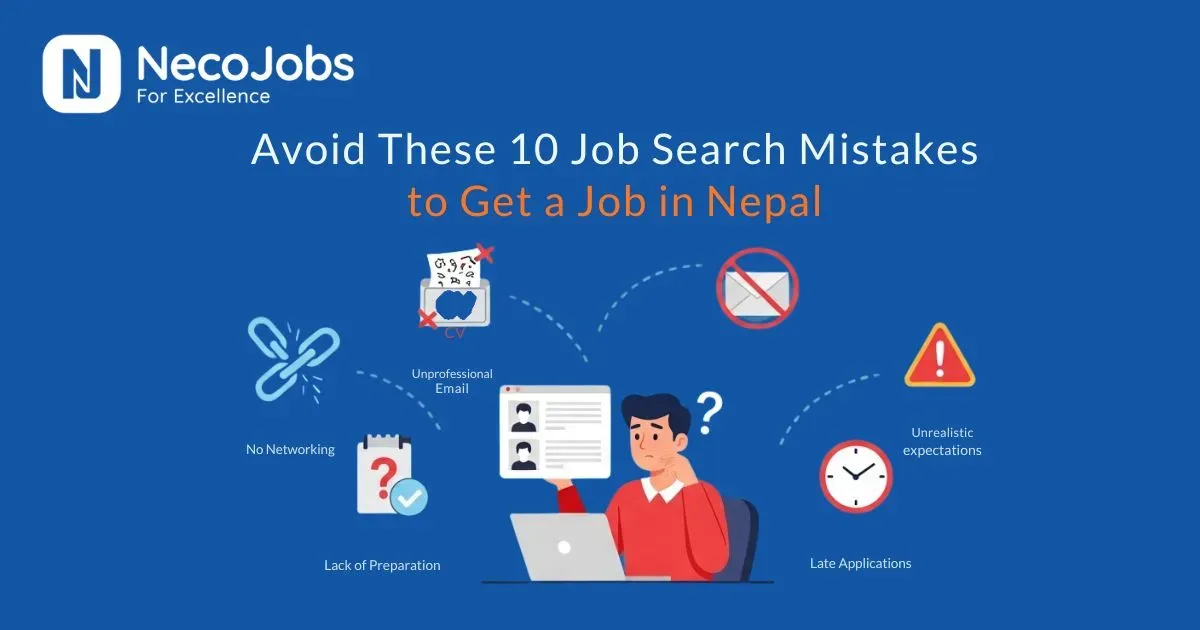
Finding a good job in Nepal is not always easy. Every year, more students finish school and college and start looking for work. At the same time, many experienced people are also applying for jobs. This makes the job market very competitive. Jobs in areas like banking, IT, healthcare, teaching, hotels, and offices are available, but many people want the same positions. Because of this, it can take a long time to get hired. Many job seekers make small mistakes without even knowing it. These mistakes can make it harder to get selected. If you learn what mistakes to avoid and how to prepare, your chances of getting a job in Nepal will increase.
Dream Job and Reality in Nepal
Most people want a job that gives good pay, stability, and chances to grow. Everyone dreams about having a safe and well-paying job. But the reality is a little different. Employers in Nepal now look for people who are ready, skilled, and professional. They want candidates who can speak well, solve problems, and work well with others. Many job seekers get frustrated when they do not get a job quickly. They may feel they are good enough, but they do not understand what the company is really looking for. Learning the difference between what you expect and what the employer wants will help you prepare better. You will know how to improve your skills and approach your job search in the right way.
Why Normal Job Advice Does Not Always Work in Nepal
You might hear advice like “apply to every job” or “just keep trying and you will get a job.” This advice is not always helpful in Nepal. The job market here is different from other countries. Employers look for people who have the right skills for the job, understand the company, and behave professionally. Just sending the same resume and cover letter to many companies does not work. You need to plan carefully. You should focus on the right companies and jobs. You should show the employer that you are serious and prepared. A smart approach will save time and help you get better results.
Common Job Search Mistakes to Avoid
Many people make the same mistakes while looking for jobs. These mistakes can delay their success or cause rejection. Some common mistakes are using the same resume for every job, not understanding how hiring works in Nepal, not building connections with people, having a weak online presence, giving simple or copied answers in interviews, not following up with recruiters, asking for very high salaries, using a resume that is not well organized, not checking the company before applying, and giving up too soon. Avoiding these mistakes will make your job search easier. It will save time and increase your chance of getting a good job.
Mistake 1: Sending the Same Application to Every Job in Nepal
Why Sending the Same Resume and Cover Letter Does Not Work
Many companies in Nepal receive a lot of applications for each job. When you send the same resume and cover letter to every job, it is hard to get noticed. Employers want to see that you understand the job and are a good match for the role. A general application makes it look like you are not serious or interested. It may also show that you have not taken the time to prepare. To get selected, you need to make your application stand out and show effort.
How to Tailor Your Resume and Cover Letter for Each Job
A resume and cover letter that are written for a specific job increase your chance of being noticed. In Nepal, employers prefer resumes that clearly show your skills, local experience, and achievements that match the job. When writing a cover letter, include the company’s name and explain why you want to work there. You can also mention the company’s mission, goals, or values. This shows the employer that you have done research and are serious about the job.
Using Important Words from the Job Description
Many Nepali companies use software called Applicant Tracking Systems or ATS to scan resumes. This software looks for important words from the job description. For example, if the job needs “customer service,” “sales target,” or “accounting software,” you should include these words naturally in your resume. Using the right words makes it easier for your resume to pass the first screening and increases your chance of being called for an interview.
Creating a Focused Job Application Plan
Instead of applying to every job you find, make a list of companies and roles that match your skills and career goals. Focus on jobs where you have a better chance to succeed. Write each application carefully to show you are prepared and interested. A focused plan saves time and improves your chances of getting interviews. By sending well-prepared applications, you make a stronger impression on Nepali employers and increase your chances of getting the job you want.
Mistake 2: Ignoring Nepal’s Job Market and How It Works
Understand Which Jobs and Industries Are in Demand in Nepal
Nepal’s job market is changing quickly, and not all jobs have the same opportunities. Some industries are growing faster and offering more positions. Currently, banking, healthcare, IT, e-commerce, and renewable energy are among the most promising sectors. For example, IT and e-commerce are growing because more companies are going online, while healthcare is always in demand because hospitals and clinics need skilled staff. If you focus on these high-demand areas, you are more likely to find a job. Knowing local trends also helps you improve the skills employers want, making you a stronger candidate.
Use Online Job Portals Effectively
Many companies in Nepal post jobs online. Popular websites like NecoJobs, Merojob, Kantipurjob, JobAxle, and Indeed Nepal list thousands of openings every month. You can use filters to find jobs that match your experience or education. Setting job alerts ensures you get notified when new positions are posted. Applying early is very important because many Nepali companies shortlist candidates within the first few days. Being active on these portals can give you an advantage over other applicants.
Do Not Ignore Traditional Job Search Methods
Even with online job portals, traditional methods still work well in Nepal. Many companies hire through recruitment agencies, newspapers, FM radio announcements, or personal recommendations. Sometimes small and medium companies do not post jobs online and rely on local networks. Combining online applications with offline methods increases your chances of finding hidden job opportunities that others might miss. Talking to people in your community, friends, or professional connections can help you learn about jobs before they are advertised.
Stay Flexible and Keep Improving Your Skills
Nepal’s job market is very competitive. Many candidates may have similar education and experience. To stand out, you need to keep learning and improving your skills. You can take short courses, online training, or workshops to gain extra knowledge. Improving communication, teamwork, and presentation skills also helps you make a better impression. Small steps like these can increase your chances of getting hired and give you an edge over other candidates.
Plan Your Job Search Based on Local Market Trends
It is not enough to just send applications randomly. Successful job seekers in Nepal plan their search according to industry trends and local demand. They focus on positions that match their strengths and prepare applications carefully for each job. Understanding the market also helps you make realistic expectations about salaries, work locations, and growth opportunities. By knowing how Nepal’s job market works, you can save time, avoid frustration, and increase your chances of finding the right job.
Mistake 3: Not Using Networking to Find Jobs in Nepal
Why Knowing People Helps in Nepal
In Nepal, knowing the right people can help you get a job faster. Many companies hire people because someone recommended them. This is called “Chinjan.” If you have friends, teachers, or older people who work in your field, they can tell you about jobs before anyone else knows. Good connections can help you get interviews quickly. They can also give advice about how to apply, what skills to learn, and how to talk to employers. Meeting and keeping in touch with people in your field is very important for finding a job in Nepal.
How LinkedIn and Social Media Can Help
LinkedIn is a website where you can show your work and connect with people who hire in Nepal. You can make a good profile that shows your education, skills, and experience. You can follow companies, connect with bosses or HR people, and join groups about your work. You can also share small posts about your work or things you learned. Facebook and other social media websites also have groups where jobs are posted. Using these websites can help employers notice you and help you find jobs faster.
Talking to People and Joining Groups
You can also talk to people who already work in your field. Ask them short questions about their work and advice about getting a job. These talks are called informational interviews. People can tell you what skills you need, what kind of work companies want, and how to do better in interviews. Joining groups like CAN Federation, bankers’ clubs, engineering societies, or IT communities in Nepal can help you meet more people. Being part of these groups helps you learn from others, get advice, and sometimes get job recommendations.
Going to Career Fairs and Events
Career fairs, workshops, and job events are very helpful. Colleges, companies, and training centers in Nepal organize these events. You can meet employers, ask questions, and learn what companies want from employees. Going to these events also helps you speak better and be more confident. Employers often remember people who attend events and show that they care about the job. You can also learn about jobs that are not posted online.
Tips to Make Networking Work
Networking is not just about meeting people. It is about being kind, showing your skills, and learning from others. Talk to friends, teachers, colleagues, and older people in your field. Go to workshops, meetings, and events. Share updates about your work or skills. Be polite, professional, and ready to learn. Many people in Nepal only send online applications and forget about networking. Using friends, social media, professional groups, and events together can help you find jobs faster.
How Networking Helps Your Job Search
Networking helps you find hidden jobs and get advice from people who already work in your field. In Nepal, many jobs are never posted online, so knowing the right people is very useful. Connections can help you get interviews faster, improve your skills, and sometimes get recommendations from trusted people. Using networking together with online applications and job portals will increase your chances of finding a good job faster and more easily.
Mistake 4: Not Improving Your Online Presence for Nepali Employers
Make a Professional LinkedIn Profile
LinkedIn is a website where employers in Nepal check your experience and skills. A good LinkedIn profile can help you get noticed. Use a clear headline that shows your job title or what you do. Add a professional photo so recruiters see you look serious. Make sure your experience and skills are updated. Use words that match the jobs you want. For example, if you want a job in IT, use words like “software,” “programming,” or “web development.” Nepali employers often look at LinkedIn before calling candidates, so having a polished profile can make a big difference.
Check Your Social Media Profiles
Many Nepali employers also look at Facebook, TikTok, or Instagram to see what kind of person you are. Public posts, old photos, or negative comments can give a bad impression. Cleaning up your social media and removing anything unprofessional can help you look more reliable. You can even post positive things about your work, learning, or volunteering to show you are serious and professional.
What Employers Look for Online
Nepali recruiters like to see candidates who are professional, polite, and consistent. They notice if you share achievements, certificates, or volunteer work. This makes them trust you more and shows you are responsible. A strong online presence helps you build a good reputation even before an interview.
Keep Everything Consistent
Make sure your resume, LinkedIn profile, email, and portfolio all have the same information. Your education, skills, job titles, and dates should match everywhere. Being consistent shows attention to detail, which Nepali employers value a lot. Small mistakes or mismatched information can make recruiters doubt your professionalism.
Why Online Presence Matters in Nepal
In Nepal, many companies first check your online profile before calling you for an interview. A professional online presence increases your chances of getting noticed. It also helps employers feel confident about your skills and personality. Even small changes, like updating your LinkedIn or cleaning your Facebook, can make a big difference in your job search.
Mistake 5: Giving Simple or Generic Answers in Interviews in Nepal
Learn About the Company and Its Values
Before your interview, it is very important to know about the company. Many Nepali companies care about teamwork, respect, and following rules. They want employees who can work well with others, listen to seniors, and follow company policies. If you understand the company’s culture, you can give answers that match what they are looking for. For example, you can share how you helped a team in school, college, or previous jobs. Talking about your experiences in a way that fits the company shows that you understand their values and can work well with them.
Prepare Answers for Common Interview Questions
In almost every Nepali interview, some questions are very common. For example: “Why do you want this job?” or “Tell us about yourself.” Giving short or copied answers does not make a good impression. Your answers should be real, personal, and clear. You can share experiences from school, college, projects, part-time work, or volunteering. If you include small details about what you did and what you learned, your answer will feel honest and strong. Nepali employers like candidates who give meaningful examples instead of repeating simple answers.
Follow Nepali Interview Manners
Small actions during the interview matter a lot in Nepal. Always greet the interviewer with “Namaste”, look at them politely, and speak with respect. Use polite words, keep calm, and be humble. Do not interrupt the interviewer, speak loudly, or act too casual. Nepali employers value people who are polite, professional, and humble. Even small gestures like a proper greeting or smiling at the right time can create a very positive impression.
Use the STAR Method to Explain Your Work
The STAR method is a simple way to answer questions clearly. STAR stands for:
- Situation – Describe the problem or situation.
- Task – Explain what your job or responsibility was.
- Action – Tell what steps you took.
- Result – Share the result of your work or what you achieved.
For example, if asked about teamwork, you can describe a project you worked on, what your role was, what you did, and what the result was. Using STAR helps interviewers see your skills, experience, and achievements in a clear way.
Why Giving Good Answers Matters in Nepal
In Nepal, many people apply for the same job, so interviewers are looking for candidates who stand out. Giving generic or copied answers makes it seem like you are not serious. By learning about the company, giving real examples, showing good manners, and explaining clearly with STAR, you can show that you are professional, prepared, and the right fit for the job. Strong answers increase your chances of getting the job and making a good impression on Nepali recruiters.
Mistake 6: Not Following Up After Applying in Nepal
Why Following Up is Important
After you apply for a job in Nepal, it is very important to follow up politely. Many companies take time to decide because they get many applications. Following up shows that you are interested and serious about the job. It also helps recruiters remember your name among many applicants. If you do not follow up, they might forget you even if you are a good candidate. A polite follow-up can make a big difference in getting called for an interview or moving forward in the process.
When and How to Follow Up
The right timing and method are very important. Wait about 3 to 7 days after sending your application before following up. Use a professional email address when sending your message. Keep a small tracker or list of the jobs you applied for and when you followed up. Your message should always be short, polite, and professional. For example, you can write that you are very interested in the role, and you would like to know if there is any update on your application. Simple and respectful words work best.
Understanding Nepali Communication Patterns
In Nepal, people often speak positively without giving exact promises. For example, a recruiter might say, “We will let you know soon,” but it does not always mean a yes. Do not assume this is a guarantee. Stay patient, calm, and prepared. Understand that polite communication is common, and you should not take it as a final answer. Being patient while following up politely shows that you are professional and mature.
Show Interest Without Overdoing It
It is important to show your interest, but you should not send too many messages. One or two follow-ups are enough. Sending too many emails or messages can make you look desperate or impatient. Staying calm, professional, and polite improves your image in front of the recruiter. They will remember you as someone serious but respectful, which is very important in Nepal’s job market.
Why Following Up Helps You in Nepal
Following up increases your chances of standing out among many applicants. It shows that you are motivated, patient, and professional. Many Nepali job seekers do not follow up at all, which makes them miss opportunities. By sending a polite, well-timed follow-up, you remind the employer about yourself and show that you are genuinely interested in the job. This simple step can make a big difference in getting interviews and moving forward in the hiring process.
Mistake 7: Asking for Unrealistic Salaries in Nepal
Research Salaries and Living Costs in Nepal
Before you talk about salary, it is important to know what is normal in Nepal. Salaries are different depending on the city, industry, and your skills. For example, IT jobs in Kathmandu may pay more than similar jobs in smaller towns. Healthcare, banking, and e-commerce jobs have their own pay ranges. If you research salaries first, you can understand what is reasonable to ask. This also helps you avoid asking for too much or too little, which can hurt your chances.
Use Local Salary Tools and Websites
There are websites like Payscale that show average salaries in Nepal for different jobs. You can check these websites to compare salaries for your experience, skills, and city. Knowing these numbers gives you confidence when talking to employers. You will also understand what is fair to ask and what is too high or too low. This information helps you negotiate your salary without feeling unsure or nervous.
Know Your Value and Experience
Your skills, certificates, and work experience are very important when deciding your salary. If you have extra skills, training, or good work experience, you can ask for a slightly higher salary. Employers will see your value if you explain your experience clearly. Highlighting what you can do for the company shows that you are worth the salary you are asking for.
Talk About Salary in a Smart Way
Never say a number that is too high or too low. Instead, give a reasonable salary range based on your research and your skills. For example, you can say, “Based on my experience and the industry average, I am looking for a salary between X and Y.” This shows that you have done your homework and are realistic. Being clear and professional when talking about salary gives a good impression to Nepali employers.
Why This Matters in Nepal
Asking for the right salary is very important in Nepal. If you ask for too much, the employer may reject your application. If you ask for too little, you may undervalue yourself. Researching salaries, knowing your skills, and talking about pay politely will help you get a fair offer. Being realistic also shows that you understand the Nepali job market, which employers appreciate.
Mistake 8: Poorly Formatted Resume or CV in Nepal
Use a Simple and Clear Format
Your resume is the first thing a Nepali employer sees, so it needs to look clean and easy to read. Use simple fonts like Arial, Calibri, or Times New Roman. Avoid fancy fonts, bright colors, or designs that make it hard to read. Keep enough space between lines and sections so everything is clear. Nepali employers like resumes that are organized and simple because they can quickly check your education, experience, and skills. If your resume is messy or hard to read, recruiters may not even spend a minute looking at it.
Include Important Contact Information
Make sure your phone number, email, and address are clearly written at the top of your resume. This helps HR contact you easily. Your email should look professional, like yourname@gmail.com, instead of nicknames or casual words. Missing or wrong contact details can make recruiters ignore your resume, even if you are very skilled. Always double-check your contact information before sending your application.
Highlight Skills, Experience, and Achievements
Employers in Nepal want to see your skills, work experience, education, and achievements clearly. Use bullet points to make it easy to read. Write short and clear sentences about your responsibilities and results in previous jobs or projects. For example, instead of saying “Worked in a team,” you can say “Worked in a team of five to complete a project on time.” Clear information shows employers what you can do and why you are a good fit.
Avoid Common Resume Mistakes
Many applicants make small mistakes that hurt their chances. Check carefully for spelling mistakes, grammar errors, and wrong dates. Do not add unprofessional photos, funny email addresses, or unnecessary information. Only include information that is relevant to the job. Even small mistakes can make recruiters think you are careless. Proofread your resume multiple times and ask someone else to check it if possible.
Why a Well-Formatted Resume Matters in Nepal
A clean, organized, and professional resume shows that you are serious and responsible. Employers notice when resumes are easy to read, have correct information, and highlight important skills. A good resume also shows that you pay attention to details, which is very important in Nepal’s job market. A strong resume increases your chances of getting an interview and helps you stand out from many other candidates.
Mistake 9: Not Learning About the Company Before Applying in Nepal
Why Knowing the Company Culture Matters
Many job seekers in Nepal make the mistake of applying without understanding the company. Every company has its own way of working, rules, and values. Some focus on teamwork, some on discipline, and others on creativity or following hierarchy. When you understand the company culture, you can decide if you will feel comfortable and succeed in that workplace. Employers also like candidates who respect and follow their values, which makes them more likely to hire you.
Where to Research Nepali Companies
You can learn about companies in Nepal in several simple ways. Check the company’s website for their mission, vision, and values. Look at job portals like Merojob.com, Kantipurjob.com, or JobAxle for descriptions and company info. LinkedIn pages often show company updates and employee experiences. Reading employee reviews online can also give you an idea about the work environment. Even small research helps you understand what the company expects from employees.
Match Your Values With the Company
Once you know what the company cares about, you can see if your skills and personality match. For example, if a company focuses on teamwork, you can show how you have worked well in teams at school, college, or previous jobs. If a company values discipline, you can give examples of being punctual and following rules. Matching your personal and professional values with the company helps you perform well and enjoy your work.
Show Your Knowledge During the Interview
During an interview, you can mention what you learned about the company. For example, you can say, “I like how your company focuses on helping local communities,” or “I admire the teamwork culture here.” Small sentences like these show that you are prepared and genuinely interested. Nepali employers notice candidates who take time to learn about the company and often prefer them over others who do not do research.
Why Researching Companies Helps in Nepal
Not learning about a company can make you look careless or unprepared. Doing research shows that you are serious, professional, and motivated. It also helps you answer interview questions better and connect your skills to the company’s needs. In Nepal, many jobs are competitive, so understanding the company culture can help you stand out and increase your chances of getting hired.
Mistake 10: Giving Up Too Early in Nepal’s Job Search
Why the Hiring Process in Nepal Can Be Slow
Many job seekers in Nepal expect to hear back quickly after sending their applications. But the reality is that hiring often takes weeks or even months. Companies usually have multiple steps before selecting a candidate. They may review a large number of applications, conduct several rounds of interviews, get approvals from different managers, and discuss with their teams before making a final decision. Sometimes, even after interviews, candidates do not get an immediate response. This is normal in Nepal. If you stop looking for jobs too early, you may miss a very good opportunity that could have been a perfect fit for you.
The Importance of Patience and Persistence
Job seekers who are successful in Nepal know that patience is very important. Instead of getting disappointed when you do not get an immediate response, you should continue applying for jobs that match your skills and experience. Being persistent shows employers that you are motivated, serious, and committed. Even if a company takes a long time to reply, your application might still be under consideration. Those who give up too soon often miss good opportunities. Persistence is a key quality that employers notice and value.
Use Your Waiting Time Wisely
While waiting for responses from companies, you can use your time to improve yourself and increase your chances of getting hired. Learn new skills online or offline, attend workshops, improve your resume and LinkedIn profile, and practice answering interview questions. You can also meet professionals in your field, join online groups, or participate in career fairs. Each small step helps you become a stronger candidate and prepares you to perform better when a new opportunity comes along.
Stay Positive and Take Small Steps Every Day
It is normal to feel stressed or frustrated when the hiring process is slow. But staying positive is very important. Keep believing in your skills and remain confident. Take small daily steps like sending one or two applications, learning something new, or connecting with professionals. These small actions help you stay motivated, active, and ready for opportunities. A positive and proactive mindset also leaves a good impression when networking or attending interviews.
Why Not Giving Up Matters in Nepal
Many job seekers in Nepal give up too early because they do not see immediate results. However, the best opportunities usually go to those who are patient, persistent, and prepared. Continuing your search, improving your skills, and staying ready for interviews helps you stand out from other candidates. Patience and persistence give you a better chance of finding a job that matches your skills, interests, and long-term career goals. Never give up too early, because success often comes to those who keep trying, learning, and improving.
Conclusion
Finding a job in Nepal can feel challenging, but avoiding common mistakes can make your journey much easier. By being strategic, professional, and patient, you can stand out in a competitive job market. Take time to improve your CV, making it neat and easy to read, and work on your online presence through LinkedIn and other professional platforms. Employers often check these before calling candidates, so a strong online image can give you an advantage.
Stay active and persistent in your search. Apply to jobs that match your skills, follow up politely, attend career events, and continue learning new skills while waiting for responses. Patience is key, as hiring in Nepal can take time. By planning carefully, improving yourself, and staying motivated, you increase your chances of finding a job that fits your skills, interests, and goals. Your next opportunity could be just around the corner, so be ready to grab it.